









No dia 6 de dezembro, Mircea Epure, da Universidade Pompeu Fabra, apresenta no ISEG o estudo “Moving away for Growth or from Uncertainty?”.
Entrada livre.
Abstract:
We examine the antecedents and effects of corporate headquarters’ relocations over good economic times and the Covid-19 crisis. Using Bank of Spain microdata, we first show that movers are usually older, larger, more leveraged and less capital intensive firms. When facing the unexpected shock of the pandemic, movers accessed less government funding, performed substantially worse by exiting more, and exhibited higher drops in sales and performance. To enhance our identification, we exploit relocations triggered by the political uncertainty around the October 2017 “referendum” for Catalan independence. We find that results for the general population of firms hint to a more non-market behavior, while Catalan movers display a market-like adaptation. Catalan movers were also larger, more leveraged and less capital intensive firms, but they were younger and held higher liquidity. They performed better during the pandemic, relying even less on public funding, exiting substantially less than all other firms, and exhibiting lower drops in sales-to-assets. Exploiting the heterogeneity behind the results, we highlight that key findings are stronger in low concentration industries.
Companies worldwide still consider consumers as a central pillar of business. Consumers are more and more connected, using technology largely, concerned about individual (e.g., safety, stability, identity, relationships) and environmental aspects (e.g., climate change, economy, politics). They are searching to interact with companies with a meaningful purpose that can provide real value solutions. This situation forces companies to rethink marketing strategies in a way to provide viable alternatives combining opportunities and available resources to make a difference in society.
Considering the current marketing challenges, we invite the researchers to submit papers exploring, but not limited to, Technology-enabled consumer behaviour patterns; Sustainable consumption; Consumer vulnerability and privacy research; Strategic marketing shift towards digitalisation and sustainable growth; Digital sales and Marketing management; Service, retailing and consumer experience; Branding and Innovation; International and Cross-cultural marketing; Business-to-Business Marketing, etc.
For information about the call for Papers, click here.
The European Marketing Academy (EMAC), established in 1975, is a professional society for people involved with or interested in marketing theory and research. The purpose of the European Marketing Academy is to provide a platform for persons professionally concerned with or interested in marketing theory and research. It aims to serve as the core of a communication network for disseminating information and promoting international exchange in the field of marketing. At present, the EMAC has over 1,000 members from more than 57 different countries on all five continents.
For more information click here: http://www.emac-online.org; or contact Anne-Laure Marteaux, EMAC Executive Secretary: emac@eiasm.be.
The University of Lisboa (ULisboa), founded in 1911, is a prestigious public research university in Portugal’s capital. Today, the University of Lisbon boasts 18 schools, covering a wide spectrum of academic disciplines, from humanities and social sciences to cutting-edge research in architecture, engineering, health sciences, and natural sciences. In 2023, ULisboa proudly holds the top position in major international rankings and ranks among the world’s top 200 universities. ULisboa is committed to academic excellence as a leading institution in the Portuguese academic landscape.
For more information click here: https://www.ulisboa.pt/en/about-us
Established in 1911, ISEG – Lisbon School of Economics and Management is a prestigious public school within the University of Lisbon. As a pioneer, it launched the first undergraduate degree program in management and executive education in 1979 and introduced some of Portugal’s first MSc and PhD programs in economics and management. The School has four Academic Departments: Economics, Management, Mathematics, and Social Sciences. The management department is divided into scientific areas, which include the scientific area of strategic management and marketing. Accredited by AACSB since 2018 and AMBA since 2007, ISEG ranks among the top 5% of globally accredited Business Schools. Its recognition extends to international rankings, including the Financial Times FT Rankings for Masters in Finance.
For more information click here: https://www.iseg.ulisboa.pt/en/
In May 2007, ISEG established the ADVANCE – Research Center in Management, with the primary goal of fostering innovative and high-quality research in the management field. The center is committed to conducting cutting-edge research, combining robust theoretical foundations with extensive empirical investigations, to achieve international recognition as a premier research hub.
Conference Chairs
Prof. Márcia Maurer Herter, PhD
Prof. Sandra Miranda, PhD
Organizing Committee
Prof. Vitor da Conceição Gonçalves, PhD
Prof. João Mesquita Mota, PhD
Prof. Helena Milagre Martins Gonçalves, PhD
Prof. José Manuel Cristóvão Veríssimo, PhD
For more information about the conference chairs and the organizing committee, click here
Paper Submission
Deadline for paper submission is 30th of April 2024 (16:00 CET Time).
Submission link: https://www.xcdsystem.com/eiasm/abstract/index.cfm?ID=WqYkhOV
For information about submission guidelines, click here.
Registration
Before registering please read all information available in the following sessions: Conference registration fee, Preliminary program, Welcome Reception, and Gala Dinner.
Registration link: https://www.xcdsystem.com/eiasm/store/index.cfm?ID=s3DlD2S
Conference registration fee
Co-authors can’t be registered as accompanying person.
It is allowed one Accompanying person per delegate.
| Type of fee | Conference registration fee | Accompanying person fee |
| Early registration (by August 12, 2024) | €400 | € 130 |
| Late registration (August 13 to September 9, 2024) | €440 | € 150 |
| Cancellation fee* | €150 | €30 |
The Conference registration fee includes:
*Delegates who have already paid the 2025 membership fee either individually or at the EMAC 2024 Annual Conference in Bucharest will not be charged for the membership. Do not register on the regular system and contact Anne-Laure Marteaux.
The accompanying person registration fee includes:
General terms and conditions
Cancellation Policy
Liability
By no means shall EMAC be held liable, either directly or indirectly, for any problematic issue that may occur within the framework of the Conference and its organization, not only with respect to the organizers but also with respect to third parties (airline companies, hotels, transportation, taxis, etc.) while in the performance of duties or services even indirectly related to the Conference.
This contractual liability exemption clause is equally valid in case of an event of force majeure which leads to the disruption and/or the partial or complete cancellation of the Conference programme, for reasons not attributable to EMAC. An event of force majeure is defined as an unforeseen and exceptional event – be it climatic, environmental, political or socio-economic – and does not imply any limitation. Furthermore, the delegate also expressly agrees to totally absolve EMAC from any responsibility and liability with regard to travel insurance and related costs or claims. It is solely up to the individual to seek out and purchase or otherwise obtain the necessary insurance with regards to his/her travel, etc. and/or to independently issue a claim against any third party that may be responsible for direct or indirect losses or damages caused to or suffered by the delegate en route to and from the Conference.
Best EMAC Regional Conference Paper Award recognizes the best paper submitted to the EMAC Regional Conference. This is the first year this award will be given.
The criteria to be used for awarding the best paper are:
Selection Process
The winner paper is selected through a process overseen by the EMAC Regional Conference Chairs. Papers are nominated for the award by reviewers through the competitive review process. The Conference Chairs and the EMAC Vice-President Publications, Professor Michael Haenlein, are responsible for selecting the final choice for the Best EMAC Regional Conference Paper Award.
Winner Recognition
Winners are awarded a certificate.
Pre-Conference 5th Early-Stage Researcher Symposium
ISEG, 25 September 2024
ERS is an initiative of EMAC for early-stage researchers, including young lecturers, postdocs, PhD students as well as senior researchers who want to learn more about how to conduct research and publish. The symposium provides an opportunity to learn from experienced researchers and supports the development of professional skills for building an academic career. The ERS is an opportunity to meet like-minded people, present your research interests, exchange ideas and potentially start project collaborations and networking.
Programme
| 12:30-12:45 | Welcome: Vesna Zabkar, University of Ljubljana, ERS Co-Chair |
| 12:45-13:45 | ERS Session 1: José Veríssimo, ISEG, Lisbon: How to supervise master and PhD students |
| 13:45-14:45 | ERS Session 2: Ursa Golob Podnar, University of Ljubljana: How to be a good reviewer |
| 14:45-15:15 | Break |
| 15:15-16:15 | ERS Session 3: Corina Pelau, Bucharest University of Economic Studies: How to find the right work/life/family/friends balance |
| 16:15-17:30 | ERS Networking Session & Research Collaborations: Vesna Zabkar, University of Ljubljana, ERS Co-Chair with presenters from the ERS session |
For more information about the ERS presenters, click here.
ERS Fee
If you have any questions related to ERS, please do not hesitate to contact Anne-Laure Marteaux, EMAC Executive Secretary (emac@eiasm.be).
Final Programme
Click here to see the detailed version of the Final Programme.
Click here to see the brief version of the Final Programme.
Keynote Speakers
Adilson Borges, Dean & Executive Director of Rennes School of Business, France
Presentation title: Academics are from Mars, Practitioners are from Venus: Building the Bridges between academia and industry to create value for organizations and society.
Sankar Sen, Professor of Marketing at Baruch College, City University of New York, USA
Presentation title: Wherefore Marketplace Morality?
For more information about the Keynote Speakers bio, click here.
Special Sessions
Workshop on Experimental Research
The workshop on Experimental Research aims to discuss Correlation, Causality, Randomization, Laboratory Experiments vs. field experiments, and Statistical tests to analyze experimental data. The workshop will be led by Prof. Giampaolo Viglia, University of Portsmouth, UK.
Strategic Marketing Orientations – A Grounded Cognition Approach Using Wine
One of the first lessons marketing students learn relates to strategic orientations. For example, should a firm opt for a consumer orientation – tailoring the products according to market needs or should they opt for a production orientation – make a great product and people will request it. Is one better than the other? It depends… In this session, we delve into these orientations via a grounded cognition approach using Portuguese wines. Participants will learn about how history as well as current firm and market drivers shape the strategic choices wine firms take when developing orientations for the brands. The session will be headed by Prof. Nathalie Spielmann, NEOMA Business School, France.
For more information about the Special Sessions presenters bio, click here.
Meet the Editors Session
It is with great honour and pleasure that we are hosting two Meet the Editors Sessions.
We would like to thank the Academic Journals that accepted our invitation and the distinguished
colleagues who kindly agreed to participate.
Session I
European Journal of Management Studies
Tiago Cardão-Pito, ISEG – University of Lisbon, Portugal
International Journal of Consumer Studies
uis Martinez, Nova School of Business and Economics, Portugal
Journal of Advertising Research
Jean-Luc Herrmann, University of Lorraine, France
Journal of Sustainable Marketing
Elif Karaosmanoglu, Istanbul Technical University, Turkey
Journal of the Academy of Marketing Science
Stephanie Noble, University of Tennessee, USA
Session II
European Journal of Management Studies
Tiago Cardão-Pito, ISEG – University of Lisbon, Portugal
International Journal of Consumer Studies
Luis Martinez, Nova School of Business and Economics, Portugal
Journal of Advertising Research
Jean-Luc Herrmann, University of Lorraine, France
Journal of Sustainable Marketing
Elif Karaosmanoglu, Istanbul Technical University, Turkey
Journal of the Academy of Marketing Science
Stephanie Noble, University of Tennessee, USA
Oral Presentation Guidelines
For information about oral presentation, click here.
For the oral presentation conference template, click here.
Poster Session
For information about poster session, click here.
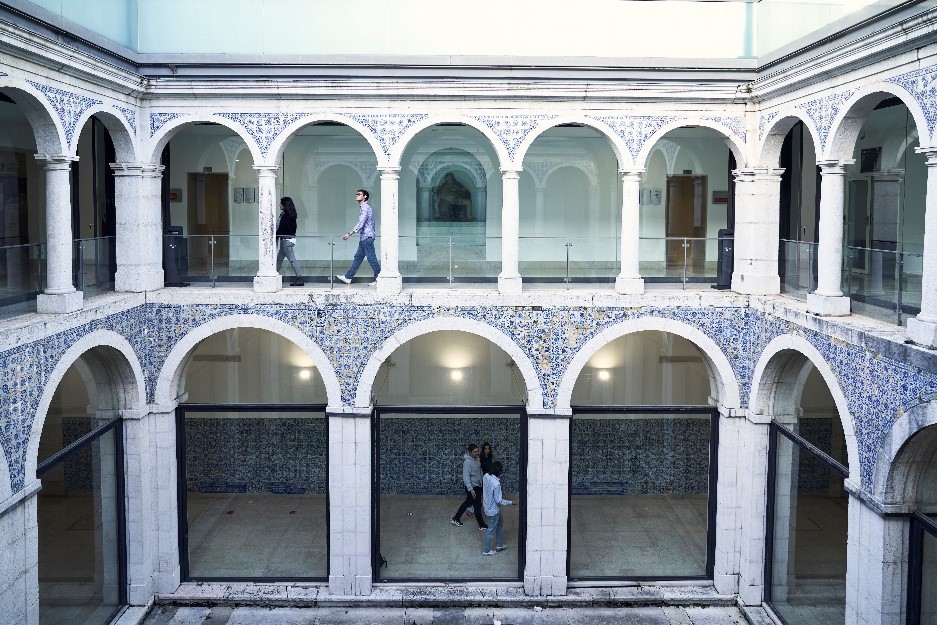
The conference will take place at ISEG in the Quelhas building. Quelhas is a traditional architectural structure that preserves historical traces with the city of Lisbon (Inglesinhas convent, National broadcaster studio) that was renewed maintaining its historic features.
ISEG is located in the Lisbon city center, within walking distance from bus stops, tramcar stops, and train stops.
ISEG Address
Rua do Quelhas 6, 1200-781 Lisboa
Welcome Reception
Conference Gala Dinner
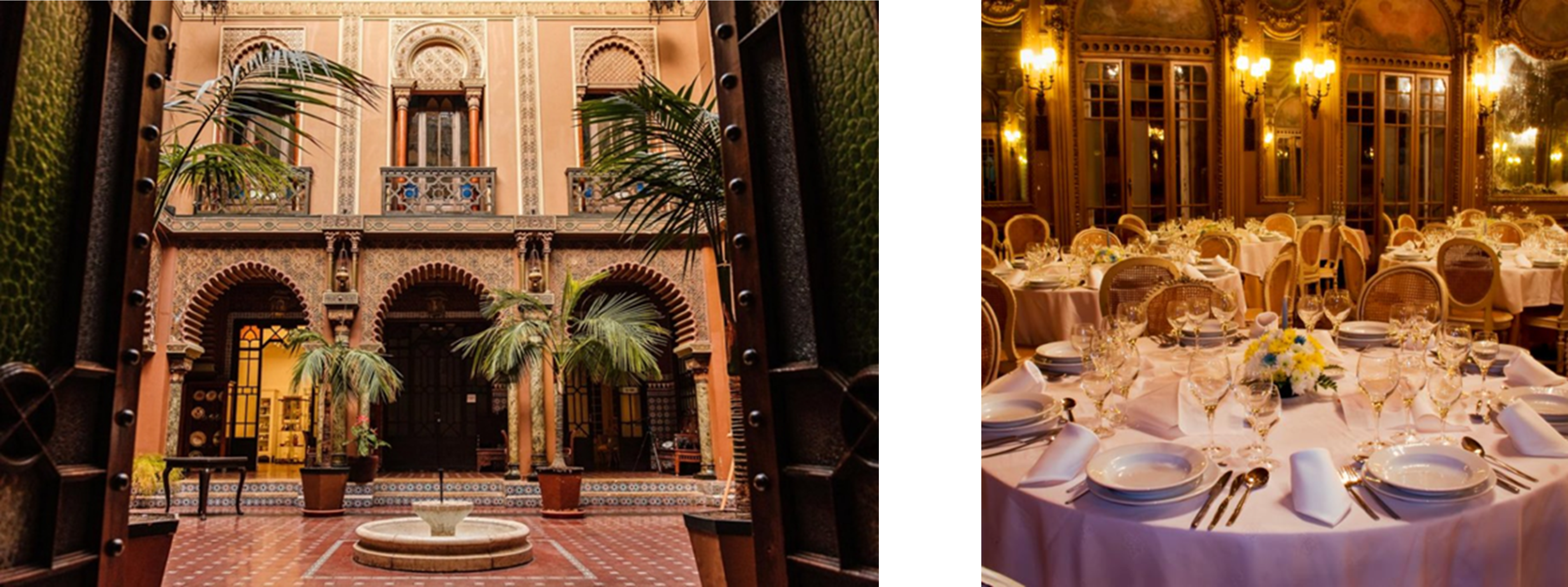
Casa do Alentejo is a historical space in the city center with 100 years that promotes and helps to preserve the Alentejo (a Portuguese traditional region) culture. Casa do Alentejo is located in a palace that dates to the 17th century, with outstanding traditional tiles. From its earliest history, it is known that it belonged to an aristocratic family – the Paes de Amaral (Viscounts of Alverca) – from whom it adopted the name and title of Palácio Paes do Amaral or Palácio Alverca. At the beginning of the 20th century (1917-1919) it was leased to a company that transformed part of the old palace into the 1st casino in the capital – the Magestic Club.
The social events are optional and have an extra cost per attendee. Please make sure to select the social events you want to attend when registering for the conference. It will not be possible to register for the social events during the conference.
For information about the social events click here.
Lisbon is the capital and largest city of Portugal. It was founded as a Phoenician settlement and later became a Roman city called Olissipo. Throughout its history, Lisbon has been influenced by various civilizations, including the Moors and the Christians during the Middle Ages. In the 15th and 16th centuries, Lisbon played a crucial role in the Age of Exploration, serving as a starting point for voyages to the New World, Africa, and Asia. The city was severely damaged by a massive earthquake and tsunami in 1755, but it was rebuilt in the elegant neoclassical style that characterizes much of its architecture today. Lisbon was the centre of the Carnation Revolution in 1974, which led to the overthrow of Portugal’s authoritarian regime and the establishment of a democratic government.
Key historical landmarks include the Belem Tower and Jeronimos Monastery, which are UNESCO World Heritage Sites, reflecting the city’s maritime heritage.
The city’s attractions are diverse. The Alfama district, with its narrow streets and traditional Fado music, offers a glimpse into old Lisbon. The bustling Bairro Alto and Chiado areas are known for their vibrant nightlife and cultural scene. The modern Parque das Nações and the Oceanário de Lisboa showcase contemporary architecture and marine life, respectively.
Lisbon’s tram network, especially Tram 28, is a popular way to explore the city, offering scenic views of its historic neighborhoods. The city’s cuisine, particularly seafood, and the unique pastéis de nata (custard tarts) are must-tries for visitors.
For more information visit: https://www.visitlisboa.com/en
Travel to Lisbon
Lisbon’s International Airport (Aeroporto da Portela) is only 7 km from the city centre (approximately 20 minutes by car).
Underground: The underground (metro) Airport-Saldanha line takes about 20 minutes and has connections to other lines that reach other parts of the city. There are two underground stations close to ISEG: Rato (13 min walk) and Cais Do Sodré (17 min walk).
Aerobus: The Aerobus service to the city center begins at 8 am and ends at 9 pm (every 20 minutes). Attendees should get off at Av. Fontes Pereira de Melo bus stop. From there, they should take the number 727 bus to go to ISEG and get off at Av. D. Carlos I bus stop.
Taxi and car ride-sharing platforms: Services are available 24 hours a day, the journey time to the city centre lasts 20-30 minutes. From 10 pm to 6 pm, the taxis’ fare increases by around 20% and luggage is charged according to a fixed rate. Bolt and UBER are the car ride-sharing platforms available In Lisbon.
Attendees should reach the Santa Apolónia railway station. To get to ISEG, attendees should take the 728 bus and get off at Santos. Then there are two alternatives: walk up Av. D.Carlos I (5 minutes) or to take the number 706 or 727 bus and get off at the end of Av. D.Carlos I.
How to get to ISEG?
The Conference will be held at ISEG (University of Lisbon).
Lisbon is served by various accommodation alternatives, including traditional large hotels, smaller hotels, or guest houses with differentiated service and location. All these alternatives are accessible through the usual online booking platforms.
The conference organization recommends choosing accommodation in the city center (near Marquês de Pombal and Av. da Liberdade). This will be convenient in the access to ISEG.
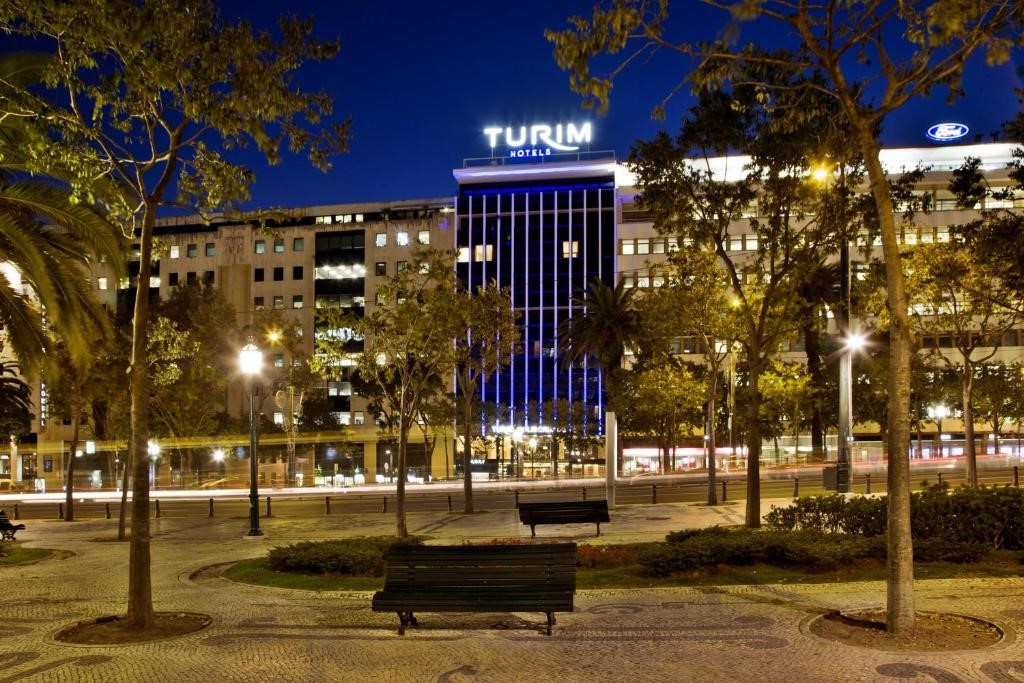
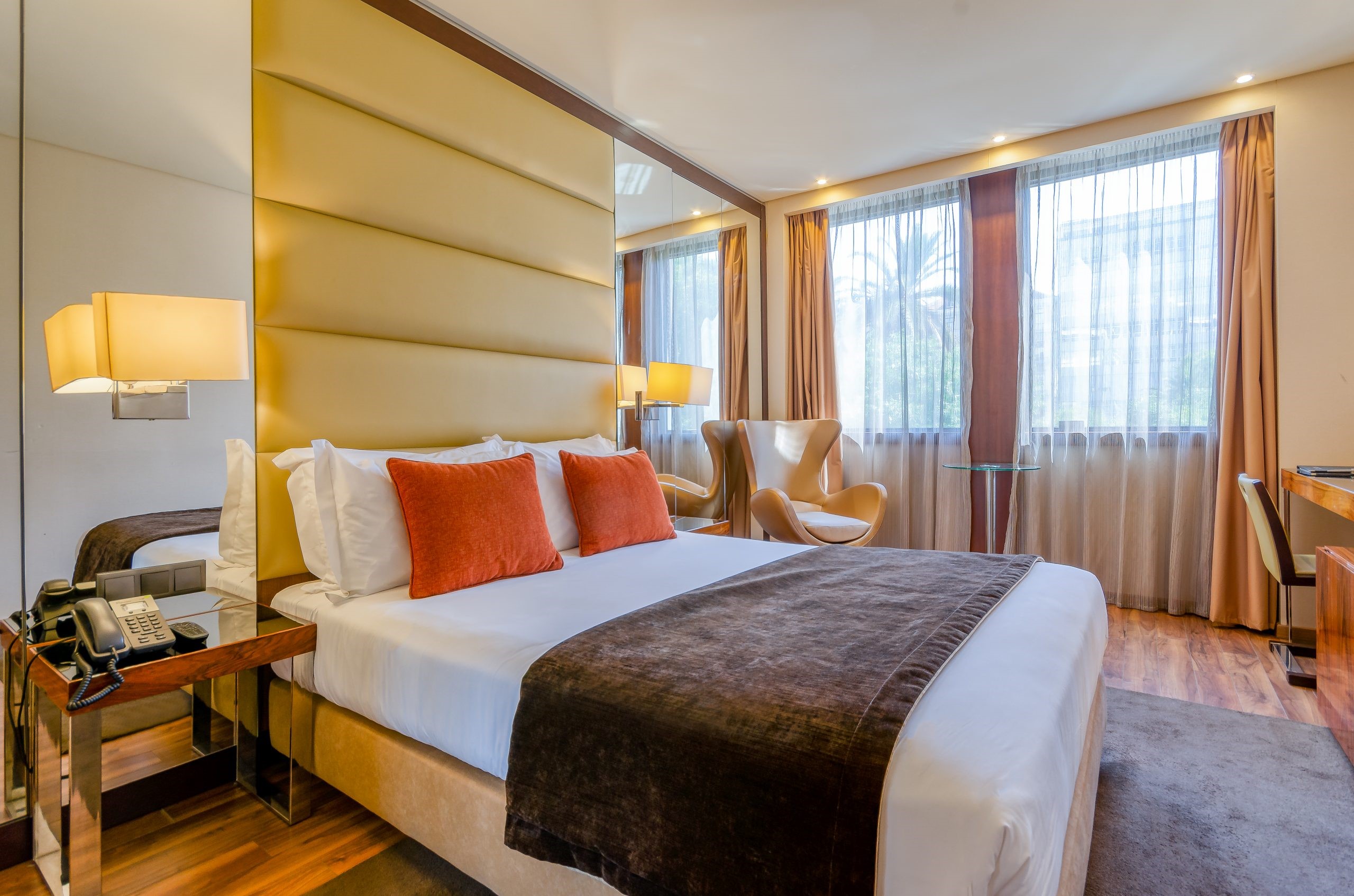
Turim Hotels – Official partner
Turim Hotels allows you to choose the hotel that you find most suitable for you. Using the code EMACRegional2024 on the reservation website https://www.turim-hotels.com/ you will get a 15% discount for stays from 25.09.2024 to 28.09.2024.
Get to Lisbon: https://www.visitlisboa.com/en/p/get-to-lisbon
Useful Information: https://www.visitlisboa.com/en/p/useful-information
What to do in Lisbon: https://www.visitlisboa.com/en/c/sightseeing-and-activities
For submission and/or registration issues only, please contact:
Anne-Laure Marteaux: emac@eiasm.be
For any other issues, please contact:
Organizing committee: emacregional2024@iseg.ulisboa.pt
No dia 29 de novembro, João Gata, da Autoridade da Concorrência, apresenta no ISEG o estudo “Auctioning Airport Slots”.
Entrada livre.
Abstract:
During the recent past, passenger air transport has been recovering from its significant retraction during the Covid-19 pandemic. If the recent significant drop in air traffic due to the pandemic acted as an external mitigating factor to airport traffic congestion in several major airports around the world, with the post-pandemic air traffic recovery airport capacity is likely to, once again, fall short of demand and not keep pace with the growth in air traffic. For this reason, close to two hundred major airports worldwide, most of them in Europe, face capacity constraints. Eurocontrol predicts Europe’s capacity shortage in 2050 at 500,000 flights/year given the baseline scenario, which could rise to 2.7 million based on an optimistic scenario. The allocation of airport slots in Europe and elsewhere is still ruled by administrative processes, based on IATA’s Guidelines, which follow historical precedence and time adjustments of historical slots. Market mechanisms in slot allocation, as an alternative to administrative processes, are controversial and still rarely used. Several authors have highlighted the inefficiency of the current airport slot administrative allocation system, based on those guidelines. Some have suggested improvements within this administrative system, others have suggested new mechanisms altogether, such as congestion pricing mechanisms and other market mechanisms involving auction procedures. Among the various auction mechanisms, scoring auctions and the Progressive Adaptive User Selection Environment (PAUSE) methodology have been suggested. In this paper, and following our previous work, we explore and extend the application of the PAUSE auction mechanism with bidding based on a score function for the auctioneer, which includes another variable in addition to total revenue, where this variable represents the quality of the service provided. We study the application of this auction mechanism, in a gradual fashion, to the three international airports operating in Portugal that are level 3 all year round. The different airlines using these airports would still follow the current IATA guidelines during their use of other airports, including the slot exchange protocols. We suggest that some of the PAUSE auction mechanism’s desirable properties, such as computability, transparency, absence of envy, and the mitigation of the “price-jump problem”, “threshold problem”, “exposure problem”, and “winner’s curse problem”, still hold.
O V Congresso Ibero-Americano de Responsabilidade Social – CRIARS 2023 será realizado entre os dias 22 e 24 de novembro de 2023, em formato exclusivamente virtual.
O CRIARS 2023 tem como tema principal “Sustentabilidade e Território”, contemplando os múltiplos desafios envolvidos na sociedade contemporânea: seja em relação à promoção do desenvolvimento sustentável, da inclusão social, dos direitos humanos fundamentais, à equidade de género, condições de trabalho, governança, entre outros.
O SOCIUS – Centro de Investigação em Sociologia Económica e das Organizações do ISEG-ULisboa, o ISCAL – Instituto Superior de Contabilidade e Administração de Lisboa, o Programa de Pós Graduação em Desenvolvimento Socioeconômico da Universidade do Extremo Sul Catarinense (PPGDS-UNESC) e o Programa de Pós Graduação em Direito da Universidade do Extremo Sul Catarinense (PPGD-UNESC), convidam a estar presente na sessão de abertura que decorre amanhã, 22 de novembro, pelas 18h em Portugal (15h no Brasil).
Asssista à sessão de abertura através deste LINK.
Consulte o programa completo e mais informações no website do Congresso AQUI.
No âmbito da unidade curricular “Economis of Innovation” do Mestrado em Innovation and Research for Sustainability (MIRS), vai realizar-se, dia 27 de novembro, um seminário dinamizado pelo Professor Jan Fagerberg, da Universidade de Oslo.
O tema deste seminário será “The global green shift: Where it comes from, how it works, and where it’s heading”.
A sessão é aberta à comunidade em geral, mas necessita de confirmar a sua presença. Faça o seu registo AQUI.
Abstract
This chapter analyses the ongoing global green shift from an evolutionary (Schumpeterian) perspective. Understanding such large techno-economic shifts, their causes, dynamics, and implications, has been a recurrent theme in evolutionary economics, from Schumpeter onwards. Following this perspective, what primarily characterizes large techno-economic shifts is that the radical changes they entail concern not just one but a whole range of industries and sectors, including ways of life, the organization of work, and infrastructure. The driving forces behind such shifts, according to Christopher Freeman, Carlota Perez and other contributors to the literature, are key inputs (or factors) characterized by rapidly declining costs, almost unlimited supply, and very broad applicability. This chapter argues that the global green shift, currently unfolding, is a techno-economic shift of a similar (or even larger) magnitude as the earlier shifts discussed by Freeman and Perez and others. The analysis shows that the green shift is driven by interaction of innovations in three interrelated areas, that is, renewable energy innovation; innovation in energy-using sectors; and energy infrastructure innovation, e.g., energy storage and distribution. A number of key innovations from these three areas are identified and their development and spread during the last hundred years or so explored. Particular attention is given to the various factors, including policy, that have influenced these processes. Finally, the lessons for policymaking supporting the global green shift are considered.
O próximo seminário CEsA Thinks tem lugar no dia 16 de novembro às 18h00, e terá como tema os modelos de Estado autocrático e democrático e os desafios para o desenvolvimento de África.
O seminário será apresentado pelo professor Jacob Audu, do Departamento de Ciências Políticas e Estudos Internacionais, da Faculdade de Ciências Sociais da Ahmadu Bello University (Nigéria).
A sessão decorrerá em formato online, via Zoom (clique aqui para aceder – password: cesathinks).
Este ciclo de seminários visa promover o debate entre pares sobre a atual investigação no âmbito do tema do Desenvolvimento, com o objetivo de gerar contribuições e críticas aos trabalhos apresentados.
Mais informações AQUI.
No dia 15 de novembro, Thomas Siedler (Universidade de Potsdam) apresenta no ISEG o estudo “A Library in the Palm of your Hand? A Reading Intervention with Low-Income Children”.
Entrada livre.
Abstract:
Children from disadvantaged households read less than their non-disadvantaged peers. Reading skills play a vital role in academic success and future educational attainment. We evaluate the impact of a randomized reading intervention on children from disadvantaged backgrounds in grades five and six. The intervention involves distributing e-readers with access to a large library of age-appropriate books. The results indicate that children who received e-readers read more frequently, leading to improved academic achievement, particularly in reading comprehension and math. The study also explores the impact on non-cognitive skills and emotional well-being. Findings suggest that the intervention benefits children with comparatively fewer disadvantages.
O ISEG recebe mais um ciclo de seminários do Mestrado em Marketing com talks de especialistas reconhecidos e debates enriquecedores sobre temas atuais e relevantes para os profissionais da área do marketing, a decorrer às quartas-feiras, das 17h00 às 18h30 no Auditório 4.
Neste ciclo, serão abordados temas que têm vindo a ganhar espaço na estratégia de marketing das empresas que pretendem destacar-se no mercado.
Dia 8 de novembro, não perca a talk “Estratégia de Sustentabilidade e ODS” pela Head of Marketing da KPMG, Teresa Cortes.
Dia 22 de novembro, o tema “Marketing Personalizado: Estratégias, Tendências e Desafios” será abordado pelo Head of Digital and Innovation da Arena Portugal, Filipe Rodrigues.
Uma excelente oportunidade para ficar por dentro das últimas tendências e discutir as melhores práticas de marketing com profissionais conceituados.
A entrada é livre mas sujeita a inscrição AQUI.
Cartaz AQUI.
No dia 8 de novembro, Olivier de Groote (Toulouse School of Economics) apresenta no ISEG o estudo “Matching Disadvantaged Children to Daycare: Evidence from a Centralized Platform”, elaborado com a co-autora Minyoung Rho.
Entrada livre.
Abstract:
We use data from an online platform that centralizes a daycare (0-3-year-olds) matching process. We estimate the preferences of parents and the priorities of nurseries using data from parents’ rank-ordered lists and the acceptance decisions of nurseries. To allow parents to be strategic, we provide a novel estimation approach using insights from the dynamic discrete choice framework. We then use the estimates to compare recently developed matching policies that are adapted to the specific nature of daycare. We find that disadvantaged families benefit from reducing the role of nursery priorities in the matching process. Affirmative action policies strengthen this further. Advantaged families can be compensated for their loss by a modest increase in the available capacity. Affirmative action also increases segregation between both groups as we find that this is mainly driven by geographic segregation and the demand for nearby day care options.
No dia 25 de outubro, Susana Peralta (Nova SBE), apresenta no ISEG o estudo “The electoral impact of a large return migration shock in a nascent democracy”.
Entrada livre.
Abstract:
We study the causal impact of a large and unexpected return migration episode on political outcomes during a democratic transition that was characterized by severe political and economic instability. We analyse how the forced displacement of close to half a million settlers from Portuguese speaking African countries, motivated by the eruption of civil wars in these territories, influenced election outcomes after the 1974 Carnation Revolution in Portugal. We apply a difference-in-differences with a continuous treatment assignment based on the share of repatriates per municipality. To deal with potential endogeneity issues, we instrument this with two shift-share variables that rely on very detailed census data covering the universe of repatriates and including information on their regions of birth. We find that repatriates significantly increased voting for right-wing parties in the ten years after the Revolution.