





Summer is here and ISEG Library has invited Members of Faculty to share reading suggestions for the holidays.
These are books that inspire, challenge and make you think - stories and ideas that help you look at the world through different eyes and feed your imagination during those long summer days. We hope that these recommendations will be good companions on the road, on the beach or on the sofa, and that they will spark your curiosity for the coming academic year!
Starting 3 August, these books will be available for checkout on the first floor of the Library.
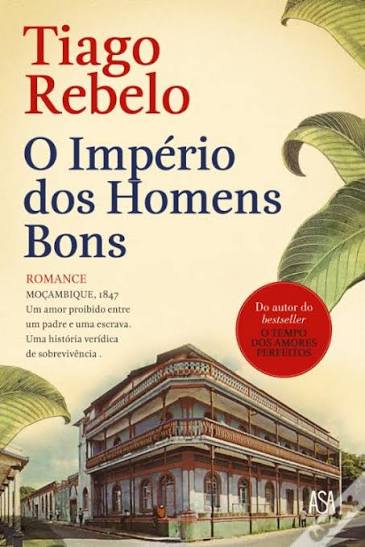
The Empire of Good Men, by Tiago Rebelo
A lighthearted historical drama—just what you need for vacation.

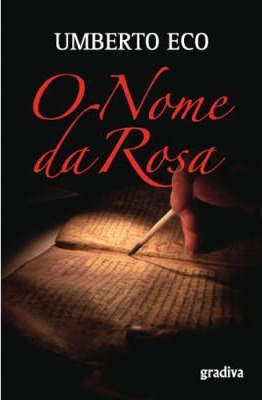
The Name of the Rose, by Umberto Eco
Umberto Eco's "The Name of the Rose" is an excellent read because of the themes it explores. An intriguing mystery set in a medieval monastery invites the reader to reflect on power, information, the manipulation of knowledge and the importance of critical thinking.
Guilherme de Baskerville’s investigation shows how a rigorous analysis of the facts and the ability to question assumptions are essential skills, both for solving crimes and for leading organizations. It is, quite simply, a great novel: a captivating and enjoyable read that offers true pleasure.
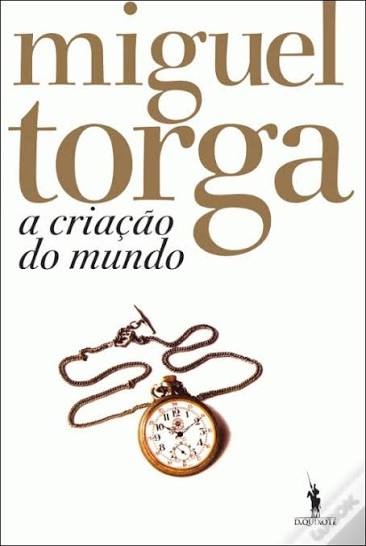
The Creation of the World, by Miguel Torga
A magnificent book, written in a crystal-clear, meticulous style.
With a fascinating narrative written in poetic prose, the book traces the history of 20th-century Portugal through the author’s life, recounting living conditions in the countryside, emigration, access to education, the dictatorship and political repression — as well as comparable experiences across Europe — life in the city and, finally, the attainment of freedom.
An excellent portrait of the country we used to be, as well as a great lesson in writing. A good book to help you make the most of summer.

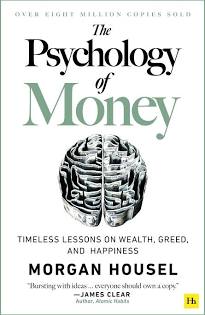
The Psychology of Money, by Morgan Housel
Although our classes lay the foundation for your academic and professional development, mastering the personal side of finance is an essential life skill that’s often overlooked in the classroom! This captivating read is the perfect summer supplement to your studies, giving you a head start in building healthy financial habits for the future.

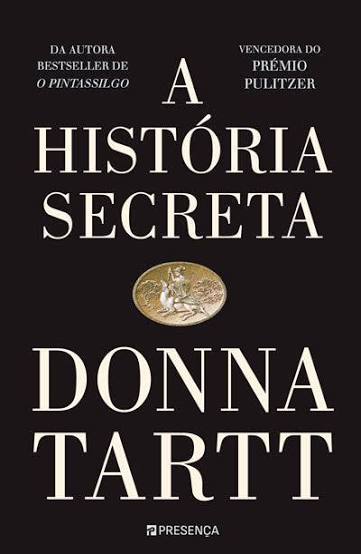
The Secret History, by Donna Tartt
A mesmerizing story that follows a group of highly intelligent students, driven by excessive pride and a lack of moral boundaries.
Seduced by excellence, beauty and the idea of belonging to an exclusive circle, this mysterious work shows how ambition can turn brilliant people into participants in irreversible decisions — accomplices in acts that no amount of talent, culture or intelligence can justify.

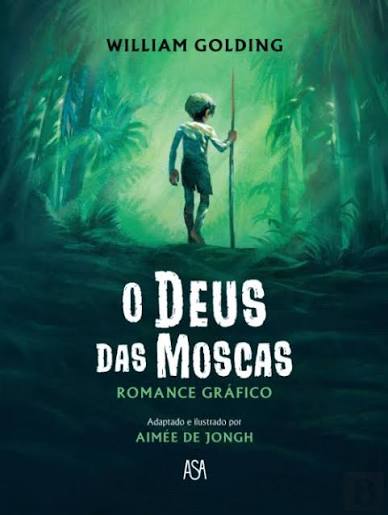
Lord of the Flies, by William Golding
"Lord of the Flies", published by William Golding in 1954, is one of those books that leaves a lasting impression. More than just a story about survival, the book is an uncomfortable mirror held up to human nature itself.
A group of British boys finds itself stranded on a deserted island after a plane crash, with no adults around. Far from the rules of society, what begins as an idyllic adventure quickly turns into a nightmare. Golding uses the theoretical innocence of childhood to show that the impulses of power, cruelty and survival are not exclusive to adults; they are rooted in human nature.
At just over two hundred pages, "Lord of the Flies" is a literary punch to the gut. It is a tense, symbolic and terrifyingly relevant book that you read in one sitting, but which continues to echo in your mind for quite some time.

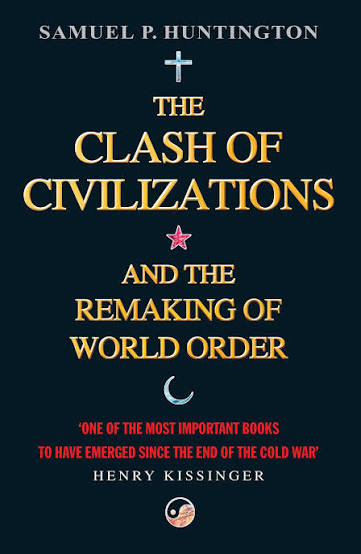
The Clash of Civilizations and the Remaking of the World Order, by Samuel P. Huntington
I recommend this book because it offers a thought-provoking exploration of the relationship between culture, international politics and global dynamics — key topics for anyone who studies or is interested in international business.
At a time marked by geopolitical tensions, this work not only helps readers understand the global context but, above all, encourages them to reflect on the complexity of the environment in which companies and governments operate.


Trees Don't Always Die Standing Up, by Luísa Sobral
A lighthearted novel with a surprising plot that teaches us a lot about life in Germany during and after the war. An excellent summer read.
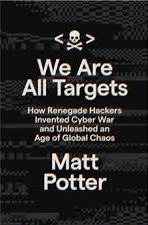
We Are All Targets: How Renegade Hackers Invented Cyber War and Unleashed an Age of Global Chaos, by Matt Potter
It’s a very timely topic that explains how cybercrime emerged and spread, written by a British journalist and author. The book explores how hackers, governments and criminal networks have contributed to the evolution of cyberattacks and the global digital conflict.

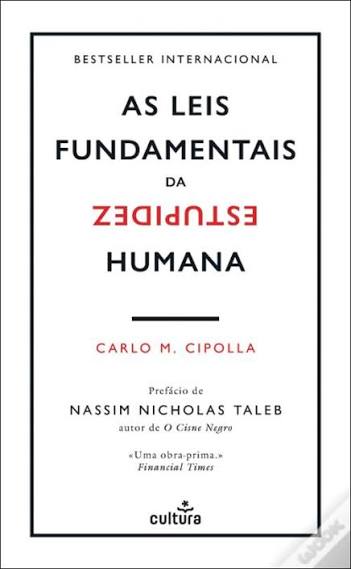
The Fundamental Laws of Human Stupidity, by Carlo M. Cipolla
The book is an excellent lesson on humanity and the way it behaves, and it may be a lesson that will stay with you for a lifetime. Since Cipolla is an economist and a university professor, his “Treatise” is a highly satirical way of teaching us a lesson about stupidity: “A stupid person is the most dangerous kind of person. […] A stupid person is more dangerous than a criminal”. Thus, in addition to reading an entertaining treatise and reflecting on the harm a stupid person can cause, it also ensures our personal defence against this plague of stupidity. After all, let’s not forget that the percentage of stupid people in any society is independent of the social group in question — including that of a higher education faculty…

Corporate Rebels: Make Work More Fun, by Joost Minnaar and Pim de Morree
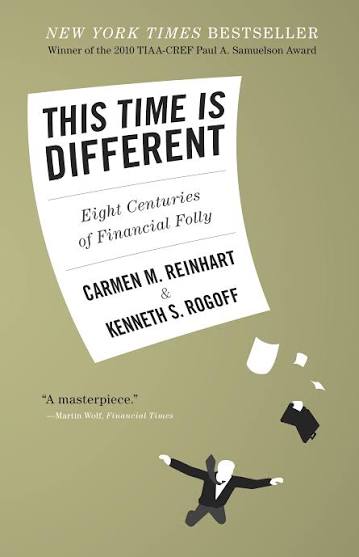
This book provides an excellent historical perspective on financial crises — their specific characteristics, but above all their common causes and consequences — thereby dispelling myths about economic or technological developments that might be used to justify periods of exuberance in financial markets.

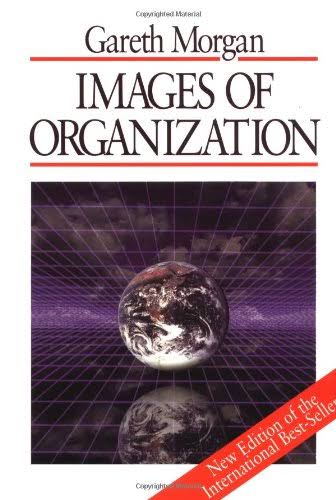
Images of Organizations, by G. Morgan
This is an essential book for understanding, analysing and reflecting on organisations and the structure of the world of work.
The British/Canadian author encourages us to think about human organisations in a multidimensional way, using the concept of metaphors or images. This allows managers to expand their ability to interpret complex situations and create new ways of thinking and acting within organisations.
The book demonstrates that no single metaphor — whether it involves thinking of an organization as a machine, an organism, or a brain — is sufficient on its own. In organisational environments that are increasingly ambiguous, turbulent and shaped by digitalisation, human analytical ability is essential for understanding where we are and where we are headed.

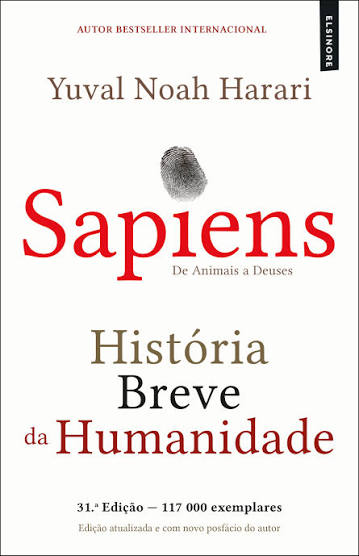
Sapiens: A Brief History of Humankind, by Yuval Noah Harari
Why do humans dominate the planet? How did we go from small groups of hunter-gatherers to global societies with cities, companies, states, and advanced technology? "Sapiens" is a captivating read that helps us understand where we came from and why we are the way we are.
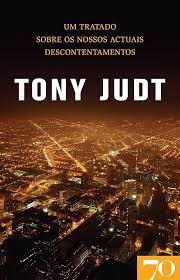
A Treatise on Our Current Grievances, by Tony Judt
The book is about sixteen years old, but the discontent has only deepened since then. This reflection by Tony Judt, a British historian who died too young, is not only accessible but also essential reading for anyone concerned about the shrinking scope of good politics, where the discussion and pursuit of diverse conceptions of justice should thrive, rather than the expansion of the economic sphere, to the point where everything — or almost everything — is subordinated to it. I believe that this topic and these concerns may be particularly relevant and thought-provoking precisely for those who, like us at ISEG, immerse themselves every day in the study of economics and management.

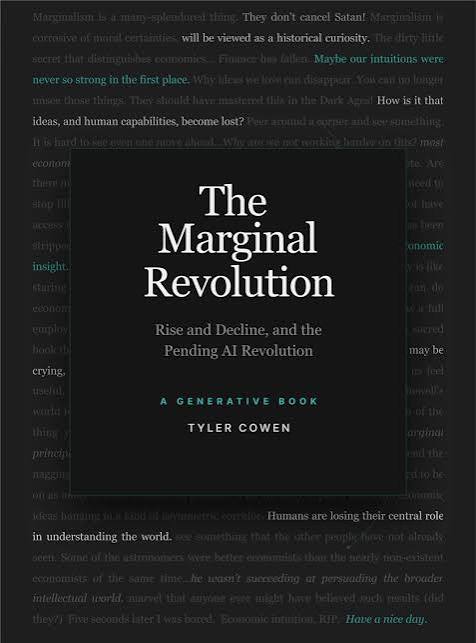
The Marginal Revolution: Rise and Decline, and the Coming AI Revolution, by Tyler Cowen
This is freely available online at "Explore The Marginal Revolution Generative Book by Tyler Cowen".
This book takes as its starting point a concept that students learn in their very first year of microeconomics and shows how important it can be for understanding behaviour, decision-making, policy options and the world. Highly relevant today, it reflects on the impact that artificial intelligence will have on the economy and on the use of marginalism. It is a read that is both accessible and intellectually stimulating.
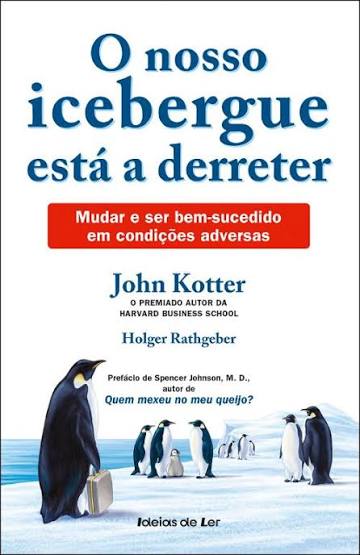
Our Iceberg Is Melting, by John Kotter and Holger Rathgeber
An engaging read that, like a cool breeze in the middle of summer, invites reflection on decision-making in demanding and unpredictable contexts. This book is especially relevant for future managers, as it explores leadership under pressure and the importance of maintaining a strategic vision in adverse scenarios and conditions. At the same time, it serves as a subtle reminder of the urgency of sustainability in the choices that shape the present and the future.

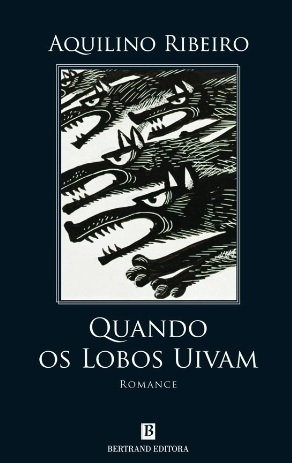
When the Wolves Howl, by Aquilino Ribeiro
A unique work of Portuguese literature, a moving narrative about the lives of peasants during the Estado Novo. A portrait of misery, injustice and rebellion that confronts us with the suffering imposed on the Portuguese people by the Salazar dictatorship, but also with the immense dignity of ordinary people fighting for their rights.
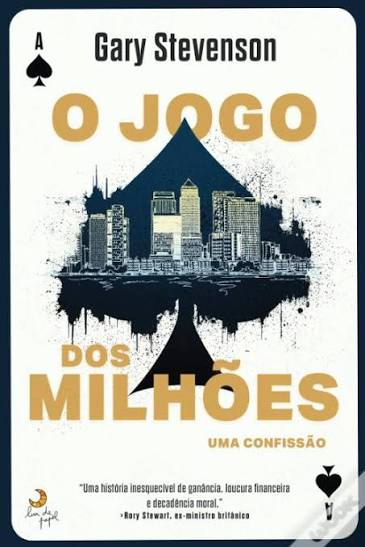
The Millions Game, by Gary Stevenson
In this book, the author recounts his rise from a modest childhood to becoming one of the most successful traders in investment banking, offering a critical reflection on economic inequality. Throughout the book, G. Stevenson suggests that, in an increasingly data-driven world, economists with a stronger background in mathematics will have a significant competitive advantage and better career opportunities in the future.

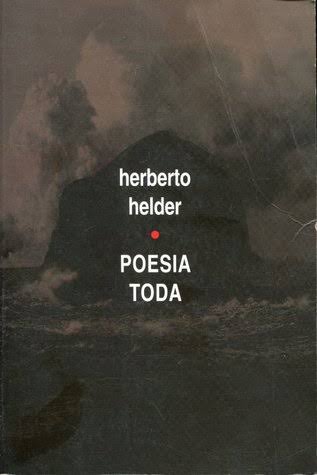
All Poetry, by Herberto Helder
In a tone that is more lyrical than academic, I present to you the man I consider one of the greatest poets of our language. May the voice of human transformation through surrealism and the ethics of intensity and rigor found in Herberto’s poems, serve as a useful source of inspiration for you. A reexamination of the human condition in contexts marked by a lack of linearity and profound uncertainty.